
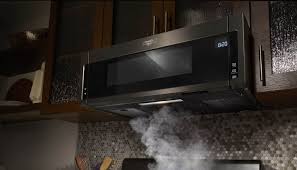
In recent years, the importance of effective ventilation solutions in kitchens has gained significant attention due to evolving health regulations. As kitchens are environments where various cooking processes take place, they often become hotspots for heat, smoke, grease, and other airborne contaminants. These elements can pose serious health risks not only to those working within these spaces but also to patrons and residents exposed indirectly. Consequently, ensuring proper ventilation is no longer just a matter of comfort or efficiency; it has become a critical component of compliance with health standards aimed at safeguarding public well-being.
The primary function of kitchen ventilation systems is to remove excess heat and pollutants from the air. This process involves the extraction of fumes produced during cooking and the replacement with fresh air from outside. Effective ventilation helps maintain an optimal indoor air quality by reducing concentrations of harmful substances such as carbon monoxide, nitrogen dioxide, particulate matter, and volatile organic compounds. In commercial kitchens where high-volume cooking occurs continuously throughout the day, inadequate ventilation can lead to hazardous conditions that compromise both food safety and worker health.
Health regulations across many regions have stipulated stringent requirements ventilation solutions for kitchens systems in response to these potential hazards. For instance, guidelines often mandate specific airflow rates that must be achieved based on kitchen size and equipment used. Additionally, there may be requirements concerning filtration systems capable of capturing grease particles efficiently before they accumulate in ductwork—a common fire hazard if neglected.
Beyond regulatory compliance, investing in advanced kitchen ventilation solutions offers numerous benefits for businesses and households alike. Improved air quality leads to enhanced employee productivity as workers are less likely to experience respiratory issues or fatigue associated with poor indoor environments. Moreover, customers who frequent establishments with clean-air policies tend to perceive them more favorably—potentially boosting business reputation and patron loyalty.
About the Author
